
The journey of gambling an exploration of its historical evolution
The journey of gambling an exploration of its historical evolution
The Ancient Roots of Gambling
The origins of gambling can be traced back to ancient civilizations, where games of chance were woven into the fabric of society. Archaeological findings suggest that as early as 3000 BC, the Chinese were playing rudimentary forms of dice games, which laid the groundwork for future gambling activities. Similarly, the Romans and Greeks engaged in gambling, using various devices to determine outcomes in games and wagers. In these early societies, it was common to explore how gambling related to divine will, so it’s fascinating to read more about the symbolic connections between fate and chance.

In these early societies, gambling was not merely a pastime; it was often linked to religious ceremonies and social events. The use of dice and betting on outcomes was seen as a way to engage with fate, and this connection between gambling and the divine is a recurring theme throughout history. As civilizations evolved, so did the complexity and organization of gambling practices.
The Middle Ages and the Rise of Gambling Houses
The Middle Ages marked a significant transformation in the landscape of gambling. With the establishment of formal gambling houses in the 16th century, gaming became more structured and regulated. In Europe, the first gambling houses emerged in Italy, attracting the elite and eventually spreading across the continent. These establishments provided a variety of games, from card games to roulette, and laid the foundations for modern casinos.
This era also saw the introduction of gambling laws and regulations, as governments recognized the potential for economic gain from tax revenues generated by these establishments. The rise of gambling houses not only increased accessibility but also elevated gambling’s status as a legitimate form of entertainment, paving the way for future developments in the industry.
The Advent of Modern Gambling in the 19th Century
The 19th century was pivotal for gambling, witnessing the birth of modern casinos and gaming practices. The introduction of the first official casino in Monte Carlo in 1863 set a new standard for luxury and sophistication in gambling. This period also saw the proliferation of games such as blackjack and poker, which gained immense popularity and became staples in gambling culture.
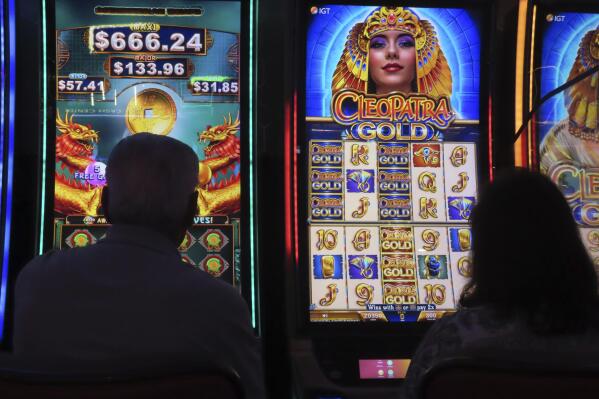
Additionally, the 19th century brought about innovations in gambling technology. The invention of the slot machine in the late 1800s revolutionized the gaming experience, allowing players to engage with games in a more interactive manner. This technological advancement laid the groundwork for the massive growth of the gambling industry in the 20th century.
The Digital Revolution and Online Gambling
The turn of the 21st century marked a seismic shift in the world of gambling with the rise of the internet. Online casinos began to emerge, providing players with unprecedented access to a wide range of games from the comfort of their homes. This technological evolution not only democratized gambling but also transformed how players interact with games and each other.
Online gambling has since evolved to include live dealer games, mobile applications, and sophisticated algorithms that enhance the gaming experience. The integration of technology has allowed for real-time betting and virtual gaming environments, making gambling more engaging and accessible than ever before. As the industry continues to adapt to technological advancements, the future of gambling looks promising.
Elevating Your Gambling Experience with Expert Insights
For those looking to navigate the expansive world of online gambling, expert reviews and guides are invaluable resources. Websites dedicated to ranking and reviewing online casinos provide insights into game variety, bonuses, and secure payment options, ensuring players can make informed decisions.
By understanding the historical evolution of gambling, players can appreciate the depth and richness of this age-old practice. Whether you are a seasoned gambler or exploring the world of online casinos for the first time, leveraging expert insights can elevate your experience and enhance your enjoyment in this dynamic field.
Related Posts
-
Культурное значение азартных игÑ...
-
Bahis Bağımlılığı ile Mücadelede Ailelerin Rolü Aile...
-
Mostbet Güncel Giriş Adresi, Mostbet Yeni Giriş Adresi» ...
-
Celebrity gamblers How chicken road highlights their high-st...
